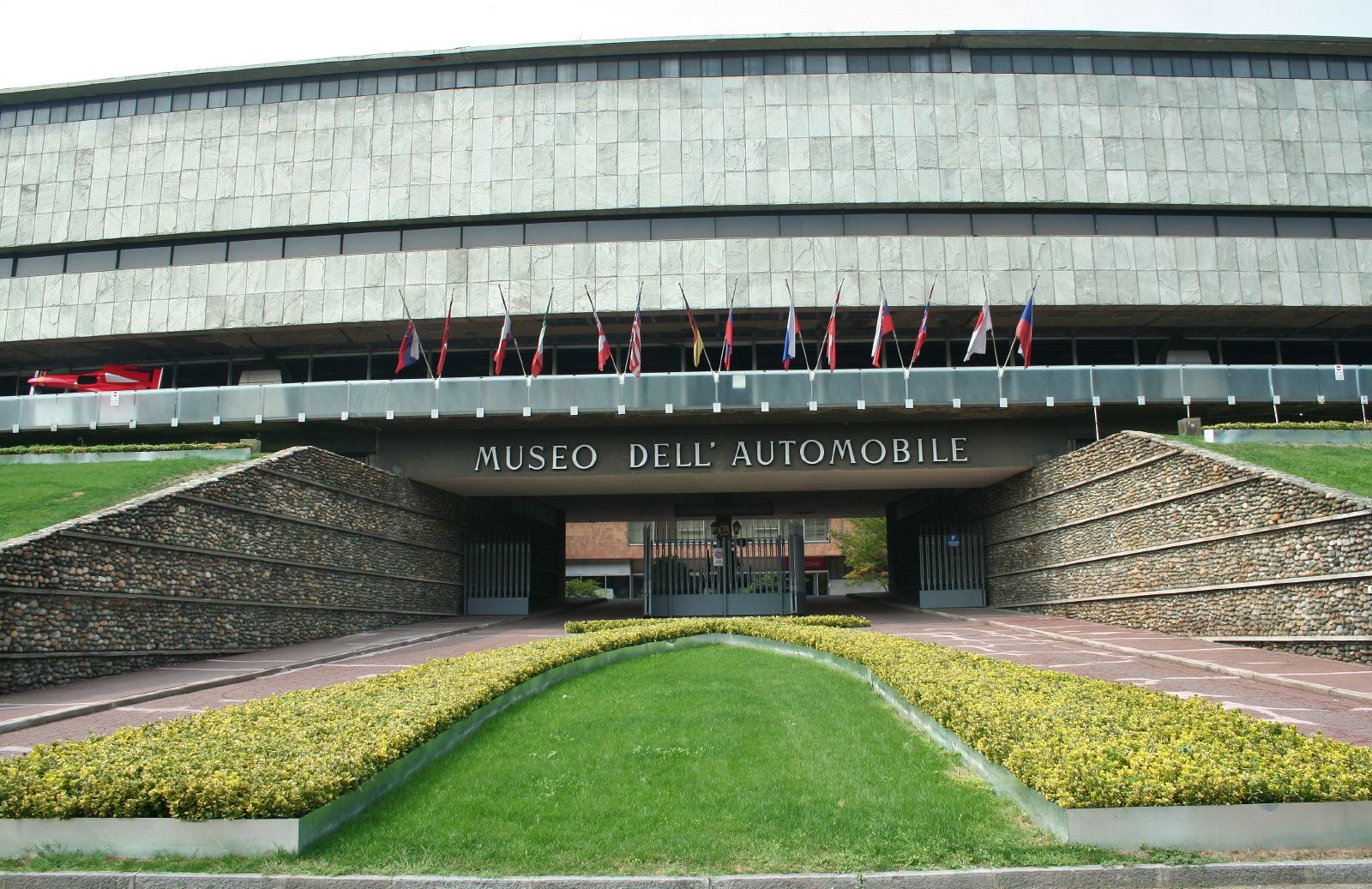
Corso Unità d’Italia 40 · Lingotto
National Automobile Museum of Turin (MAUTO)
On the banks of the Po, south of Valentino Park, MAUTO tells the story of two centuries of motoring through more than 200 original vehicles, from steam carriages to Formula 1 cars. It wins over visitors who have no particular interest in engines too, as long as you give it a couple of hours.
- WhereCorso Unità d’Italia 40
- HoursTue–Sun 10am–7pm
- Mondayopen 10am–2pm only
- Official ticketabout €18
See tickets
Which ticket to choose
| Ticket | Best for | from | Good to know |
|---|---|---|---|
| Museum ticket | Visitors seeing only MAUTO that day | about €18 | From the museum website; reductions for over-65s, ages 18–25 and 6–17 |
| Museum + hop-on hop-off bus | Visitors who also want a sightseeing ride around the city | €45 | On Tiqets; 24- or 48-hour sightseeing bus with on-board audio guide |
| Torino+Piemonte Card | Visitors seeing several museums in a few days | €29.90 | 24-hour version covers up to 3 museums; 48-, 72- and 120-hour cards also exist |
Compare prices
| Offer | from | |
|---|---|---|
| Automobile Museum + hop-on hop-off bus Sold by Tiqets · 4.1/5 (12) | €45 | Book on Tiqets |
| Torino+Piemonte Card Sold by Tiqets · 4.7/5 (3,873) | €29.90 | Book on Tiqets |
| Turin attraction tickets Sold by Tiqets | €12 | Book on Tiqets |
Indicative prices seen on partner sites; the final price is the one shown when you book.
What to see: two centuries of cars
The National Automobile Museum, known locally as MAUTO, is one of the most important car museums in Europe. It is not a single-brand museum: the collection brings together more than 200 original vehicles from around 80 makes, from late 19th-century steam carriages to Formula 1 cars, by way of the small family cars that put post-war Italy on wheels.
Along the route you will meet models that enthusiasts recognise at a glance: the Cisitalia 202 “Nuvolari”, the Alfa Romeo Disco Volante, the Ferrari 365 GTB4, a Volkswagen Beetle and even a Fiat Panda, added to the collection at visitors’ request. Alongside the cars are engines, drawings and posters and, in the recently refurbished rooms, contemporary artworks placed in conversation with the vehicles.
A museum born in Turin, not a company showroom
The idea of a museum devoted to the car took shape in Turin in the 1930s, driven by pioneers such as Roberto Biscaretti di Ruffia, one of the key figures of the early Italian motor industry. The riverside building opened in 1960 and is named after Giovanni Agnelli; in 2011 the museum was enlarged and completely redesigned, with a theatrical layout that presents the car as a piece of engineering, of design and of social history.
If you are expecting the story of FIAT alone, you will find plenty of Turin-built cars, but the scope is deliberately wider: Italian and foreign makes, the great Turin tradition of coachbuilding and car design, racing, and the prototypes that pointed to the future. The museum also houses a documentation centre, a library and a conservation and restoration centre, while the design space hosts temporary exhibitions that change through the year.
Opening hours, prices and facilities
The museum is open every day. From Tuesday to Sunday it normally opens from 10am to 7pm, and on Mondays only in the morning, from 10am to 2pm; the ticket desk closes an hour before. A standard ticket costs about €18 on the museum website, the reduced ticket for over-65s and visitors aged 18 to 25 about €15, and the ticket for ages 6 to 17 about €8; young children go free. Entry is included in the Torino+Piemonte Card and the Abbonamento Musei pass.
The museum is fully accessible, with adapted toilets and a wheelchair available free of charge at the ticket desk; getting around with a pushchair is easy too. Inside there is a bookshop and a café, both open during museum hours. Allow two to three hours for the full route; motoring fans can happily stay half a day.
How to get to the Automobile Museum
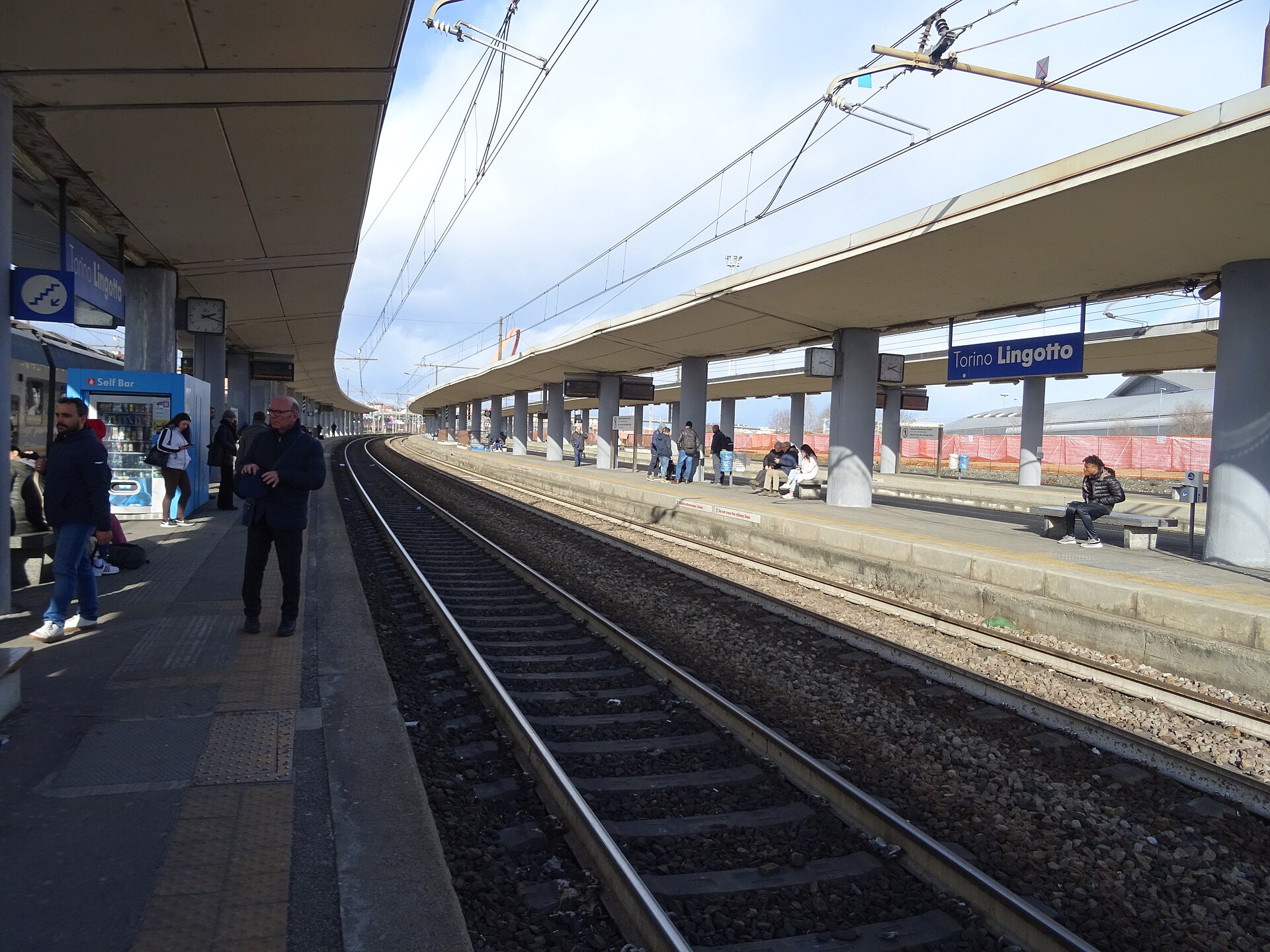
MAUTO stands at Corso Unità d’Italia 40, beside the Po in the south of the city, between Valentino Park and Lingotto. It is about 4 km from Piazza Castello, so public transport, run in Turin by GTT, is the sensible choice.
- Metro: line M1, Turin’s only metro line, runs from Porta Nuova and Porta Susa stations to Lingotto, the stop the museum recommends. From there it is a 15 to 20-minute walk towards the river.
- Bus: the museum lists GTT lines 17, 18, 34, 42 and 74; check routes and frequencies in the GTT app before you set off.
- On foot or by bike: from the Borgo Medievale in Valentino Park, follow the riverside south for about half an hour, a lovely walk on a sunny day.
- Sightseeing bus: if you have the combined ticket with the hop-on hop-off bus, check the current route map for the stop closest to the museum.
For tickets, fares and the metro map, see our guide to getting around Turin.
Which ticket to choose
If the Automobile Museum is your only paid visit of the day, the museum ticket is the simplest and cheapest option: buy it online or at the desk, with no time slot to keep to.
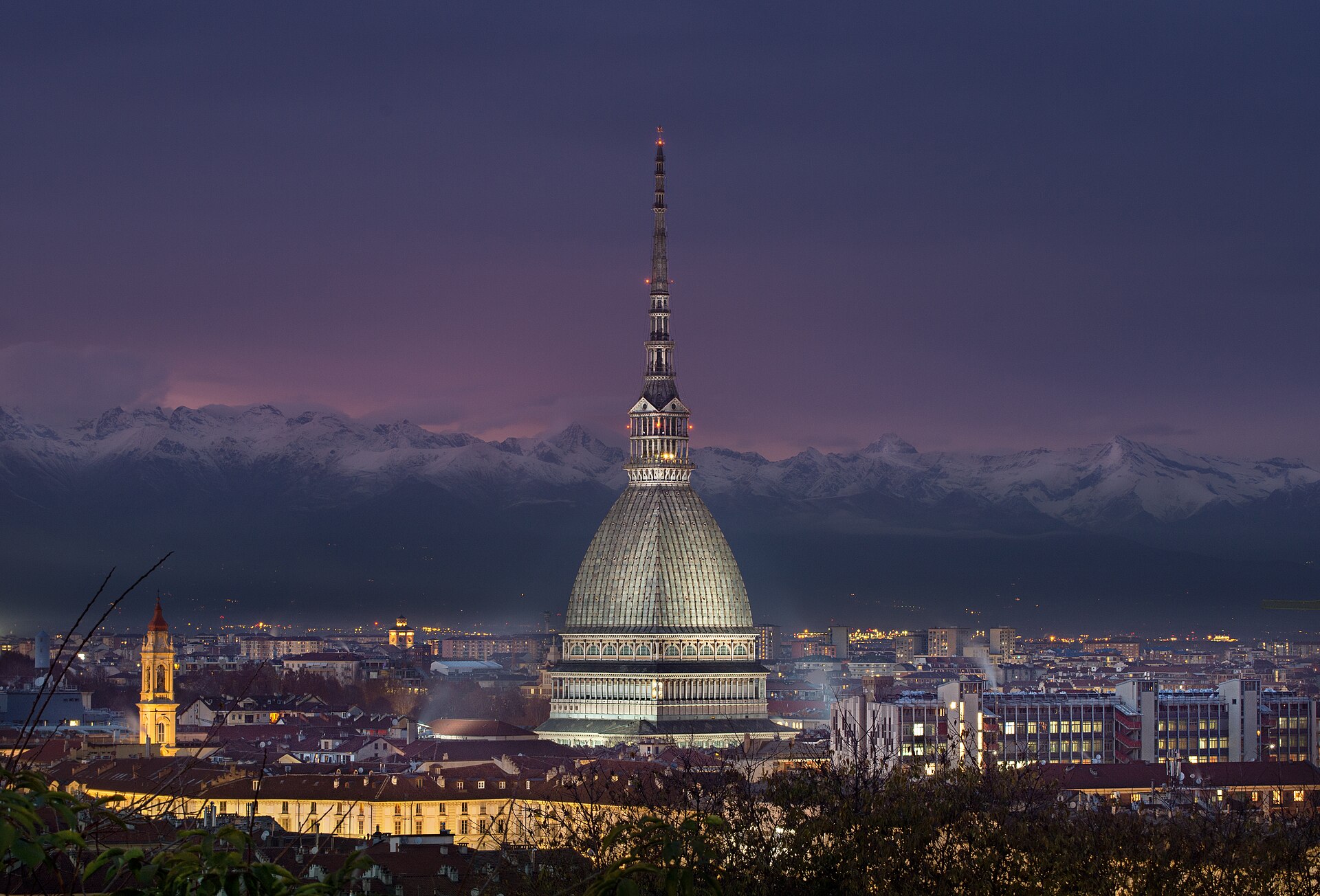
The Torino+Piemonte Card starts at €29.90 for the 24-hour version, which covers up to three museums; the 48-, 72- and 120-hour versions cost more and allow more visits. It pays off if you are also visiting the Egyptian Museum, the Royal Museums or the Cinema Museum in the Mole during your stay. Note that the card does not include GTT public transport.
The museum + hop-on hop-off bus ticket, from €45 on Tiqets, combines entry to MAUTO with the open-top sightseeing bus for 24 or 48 hours, with an on-board audio guide in several languages. It makes sense if you actually want a bus tour of the city; just to reach the museum, the metro is far cheaper. The museum’s own audio guide is not included. Route details are on our hop-on hop-off bus page.
Nearby: Lingotto and Valentino Park
The museum pairs well with the other sights of southern Turin. Lingotto, the former FIAT factory famous for its rooftop test track, now houses a shopping and conference centre, the Pinacoteca Agnelli art gallery and, on the roof, the Pista 500 garden, reached through the Pinacoteca. Close by is Eataly Lingotto, the chain’s very first store and a handy lunch stop.
Heading north along the Po, Valentino Park, with the Castello del Valentino and the Borgo Medievale, rounds off the day nicely. An easy plan: MAUTO in the morning, lunch at Lingotto, then the Pinacoteca or a riverside stroll back towards the centre. For more ideas, see things to do in Turin.
Photos
FAQ
How much is a ticket to the Automobile Museum?
A standard ticket costs about €18 on the museum website. Over-65s and visitors aged 18 to 25 pay about €15, ages 6 to 17 about €8, and young children go free. Entry is also included in the Torino+Piemonte Card and the Abbonamento Musei pass.
Is the museum open on Mondays?
Yes, but only in the morning, normally from 10am to 2pm. From Tuesday to Sunday it opens 10am to 7pm, and the ticket desk closes an hour earlier. On public holidays, check the museum website.
How do I get there from central Turin?
Take metro line M1 from Porta Nuova or Porta Susa to Lingotto, then walk 15 to 20 minutes towards the river. Several GTT bus lines also stop nearby (the museum lists 17, 18, 34, 42 and 74), or you can walk along the Po from Valentino Park.
How long does a visit take?
Allow two to three hours for the full route. Car enthusiasts can easily spend half a day, especially when there is a temporary exhibition; with small children, a well-paced hour and a half is more realistic.
Is it a good museum for children?
Yes. Racing cars, prototypes and the theatrical displays go down well with kids, there is a reduced ticket for ages 6 to 17, and the museum is fully accessible with pushchairs and wheelchairs.
Do I need to book?
Usually not: on weekdays you can simply buy a ticket at the desk. At weekends, on long holiday weekends and during popular exhibitions, buying online saves you queuing at the ticket office.
Is the Torino+Piemonte Card worth it just for MAUTO?
No. The 24-hour card costs more than a single ticket and only pays off if you also visit other included museums in the same period, such as the Egyptian Museum, the Royal Museums or the Cinema Museum in the Mole.